Choose one primary communication channel
Families are more likely to see updates when they know where to look. Select the school-approved platform, email format, folder, or newsletter that will carry routine information, then explain how often families should expect to hear from you.
Use additional channels only for a clear purpose. Urgent announcements, individual concerns, and weekly classroom news may require different methods, but each method should have a defined role.
Create a repeatable weekly structure
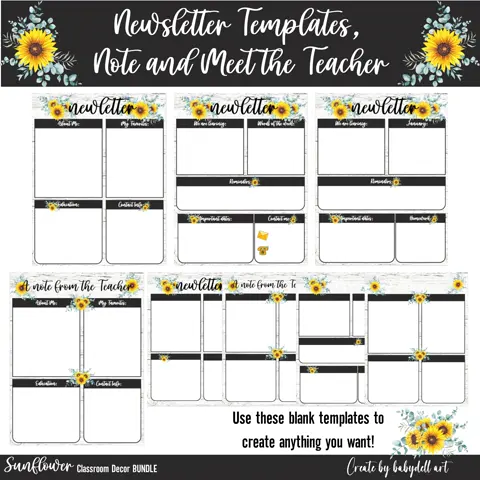
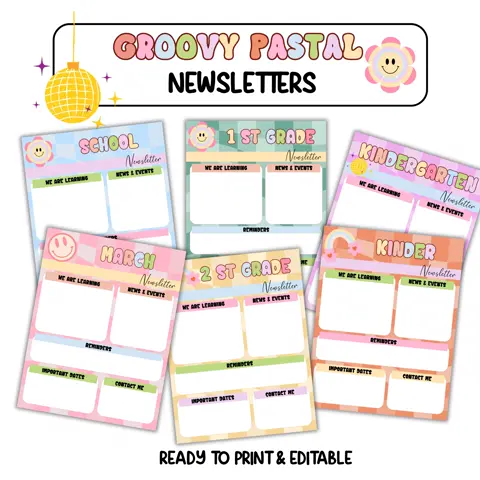
A predictable newsletter is easier to write and easier to read. Use the same sections each week, such as upcoming learning, important dates, reminders, celebrations, and ways to help at home. Families can quickly scan to the information they need.
Keep sentences short and explain unfamiliar school language. If a message requires action, state the action and deadline near the beginning rather than hiding it in a long paragraph.
Protect time and privacy
Set reasonable response expectations and communicate them early. A defined window for replies helps families know when they will hear from you and protects time outside the school day. Use approved systems for any information connected to individual students.
Create templates for common messages, but personalize the details that matter. Templates reduce repeated typing while a specific greeting, observation, or next step keeps communication respectful and useful.
Make communication accessible
Ask families about preferred names, languages, contact methods, and any access needs. Provide translated or alternative formats through approved school resources when available, and avoid relying on color alone to communicate important information.
Periodically check whether the system is working. A brief family survey or a review of repeated questions can reveal which information is unclear, missing, or being sent through the wrong channel.