Organize around decisions you make
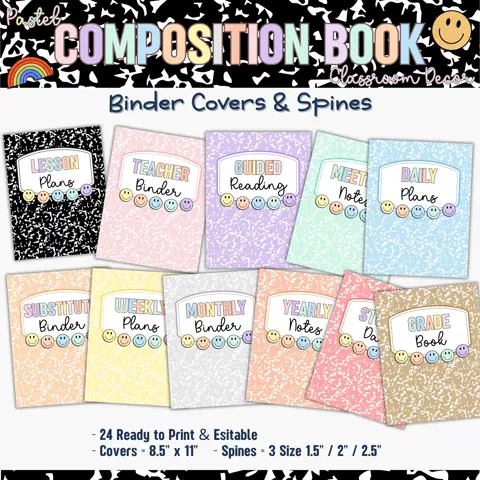
A teacher binder should help you find information and act on it. Before creating tabs, list the documents you reference repeatedly: schedules, planning pages, meeting notes, student information, communication records, assessment references, or substitute information.
Separate permanent reference material from pages that change every week. Frequently replaced papers need an easy filing method, while long-term documents can sit in protected sections.
Use fewer, clearer sections
Too many narrow categories slow down filing. Combine related documents under broad, recognizable headings and use a contents page when a section holds several types of information.
Color coding can help, but every section should also have a written label. This keeps the system accessible and prevents confusion when pages are copied or printed without color.
Protect sensitive information
Follow school requirements for storing student records and confidential notes. Keep sensitive material secured, avoid carrying unnecessary personal information, and do not leave the binder accessible in shared spaces.
A general planning binder and a separate secure location for confidential records may be safer and easier to manage than placing everything in one portable book.
Schedule a short weekly reset
Choose one consistent time to file loose pages, remove outdated notices, and move action items into your calendar or task system. Ten focused minutes can prevent the binder from becoming a storage place for decisions you have not made.
At the end of each term, archive what you must keep and discard duplicates according to school policy. A lighter binder is faster to use and easier to prepare for the next grading period.