Plan the experience from a family’s point of view
Walk into the room as if you are visiting for the first time. Families should be able to identify where to sign in, where to sit, what to take home, and which areas they may explore without waiting for directions. A simple welcome sign and a short list of steps near the entrance can prevent a crowded doorway.
Keep the evening focused on what families need most: how the school day works, how you communicate, what students are learning, and how adults can help at home. Decorative details should support that information rather than compete with it.
Prepare a clear information station
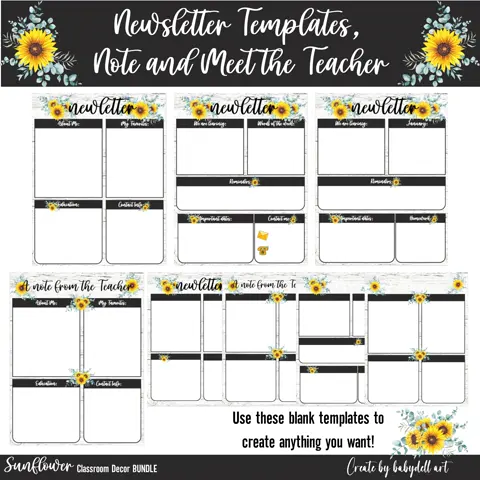
Group essential handouts in one place and label each item. Include your preferred contact method, the daily schedule, attendance or dismissal procedures, important dates, and any forms families must return. If information is available digitally, add a short link or QR code and provide a printed option when needed.
Use a one-page overview instead of several pages of repeated information. Families are more likely to keep and use a concise reference that has clear headings and enough white space to scan quickly.
Let the classroom tell a learning story
Display a few examples of routines, learning tools, and student-ready spaces. A classroom library, morning meeting board, supply station, and visual schedule help families understand how students will move through the day. Add brief captions when the purpose of an area may not be obvious.
If student work is not available yet, place a simple prompt at each seat for families to answer or leave an encouraging note. This gives the room a personal connection without requiring a finished display before students have had time to create one.
Make follow-up easy
Provide one dependable way for families to ask questions after the event. A form, email address, or scheduled conference option is better than trying to solve every individual concern during a busy group evening.
Before families arrive, test presentation equipment, check printed names, remove confidential information, and photograph the room. A final walkthrough from the entrance to the exit will reveal missing signs or unclear directions while there is still time to fix them.