Decide what reading behavior to encourage
A reading bulletin board is most useful when it prompts action. It might help students choose a book, share a recommendation, notice a new genre, reflect on reading, or celebrate a class habit. Select one primary behavior so students understand how to use the display.
Keep reading totals in perspective. A board that values thoughtful recommendations, persistence, and varied reading experiences can include more students than one focused only on the number of books completed.
Create a cozy but readable design
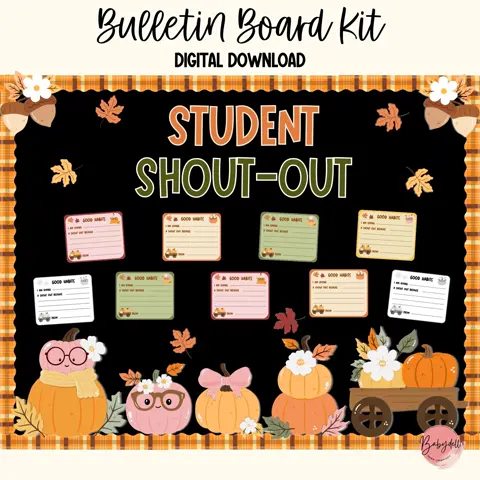
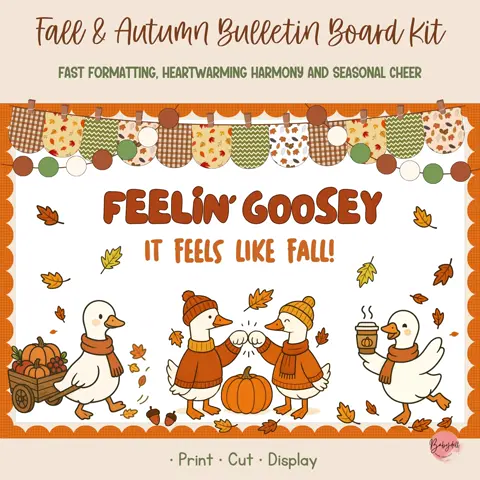
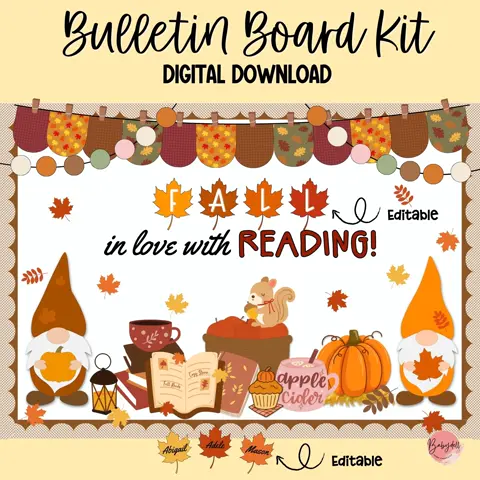
Fall leaves, warm drinks, sweaters, pumpkins, and woodland details can suggest comfort without filling every inch of the board. Use a strong headline and reserve the largest open area for book covers, student cards, or rotating recommendations.
Choose high-contrast type for book titles and student writing. If the background is patterned or dark, mount recommendations on cream or white cards. A consistent card size helps a growing collection stay orderly.
Invite students to contribute
Provide a short recommendation format: title, author, one reason to read, and the type of reader who might enjoy it. Younger students can draw a favorite scene or add a simple rating. Model one complete example before asking the class to participate.
Rotate a few recommendations to eye level each week rather than displaying everything permanently. Students are more likely to notice a changing feature, and removed cards can be collected in a classroom reading binder for later browsing.
Connect the board to instruction
Use the display during mini-lessons about genre, theme, character, evidence, or author’s craft. Add small prompts that invite students to notice a reading skill in their independent books. This keeps the seasonal decor connected to learning rather than separate from it.
At the end of fall, save the student recommendations and replace the seasonal headline while keeping the same routine. A board students already know how to use can become a winter reading wall with very little additional teaching.