Begin with the spaces students use first
Start at the classroom door and follow the path students will take on the first morning. Check that the welcome display, cubbies, supply station, seating area, and turn-in location are easy to identify. Clear visual cues help students enter with confidence and reduce the number of directions you need to repeat.
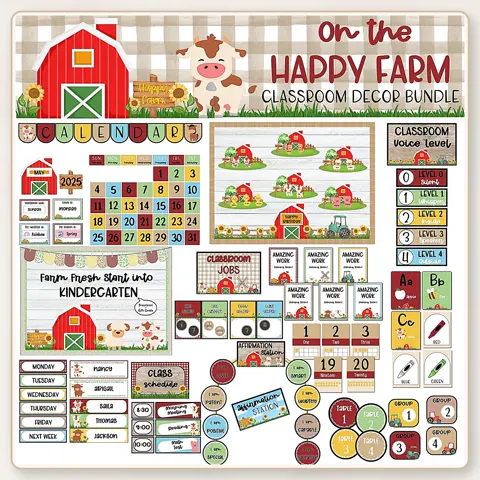
Prepare only the labels and signs students need right away. You can add decorative details later, but names, daily routines, supply locations, and important classroom expectations should be visible before students arrive.
Build the room around daily routines
Walk through a typical school day and make sure every repeated task has a logical place. Decide where students will find morning work, return materials, choose books, check the schedule, and store unfinished work. Keep frequently used materials within reach and move occasional supplies out of the busiest areas.
Use consistent colors or matching label styles to connect related areas. A coordinated system looks polished, but its greatest benefit is practical: students learn to recognize where things belong more quickly.
Finish with a calm final check
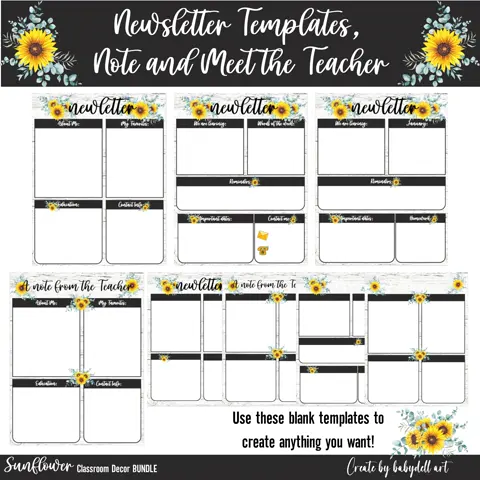
Print one copy of your class list and verify every editable name before displaying it. Test the view from student height, remove visual clutter around essential information, and leave a little open space for work created during the first week.
Before leaving, take photos of each classroom area. The pictures will help you remember the arrangement next year and make it easier to spot anything that still feels crowded, unclear, or unfinished.