Give every area one clear purpose
In a small room, too many overlapping zones create confusion. Identify the activities that happen every day and assign each one a dependable location. A compact reading area, supply station, meeting space, and teacher workspace can share furniture as long as their materials remain easy to distinguish.
Keep pathways open between the door, student seats, and frequently used supplies. Moving one storage unit can sometimes improve the room more than adding another container.
Use labels to reduce visual clutter
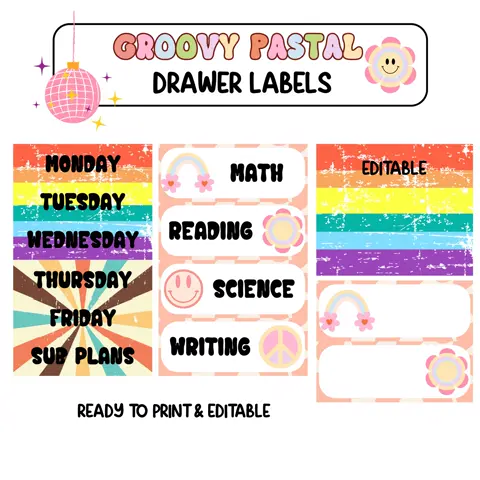
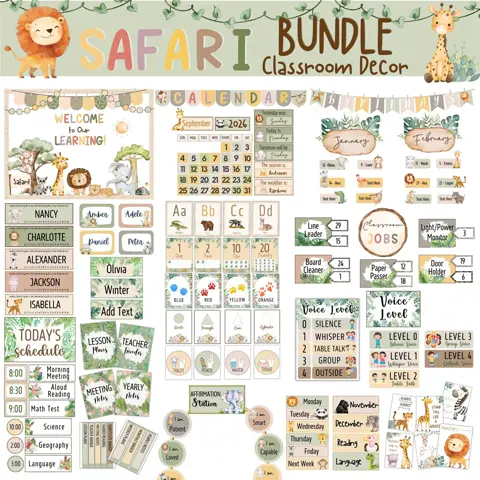
Choose one label style and repeat it across drawers, bins, shelves, and student materials. Consistent labels make mixed storage containers feel coordinated and help students return items without assistance.
Use specific wording that describes what belongs inside. A label such as Math Tools is more helpful than Supplies, especially when several storage areas are close together.
Store vertically and rotate materials
Use wall pockets, upright file holders, hooks, and the inside of cabinet doors when appropriate. Keep only current units and frequently used resources accessible, then rotate seasonal or occasional materials from a separate storage area.
Leave one flexible surface or empty bin available during setup. Classrooms change quickly during the first weeks, and a little unused capacity makes it easier to solve new storage needs without creating piles.