Decide what earns a place on the board
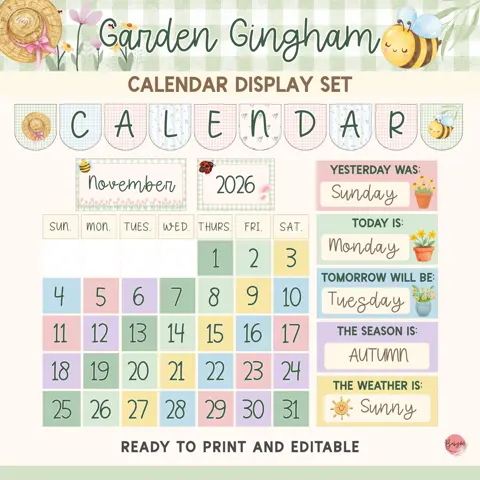
A morning meeting board should support the conversation you have each day. Common elements include the date, day of the week, weather, daily schedule, a greeting, and one short prompt. Start with the pieces you will use consistently rather than filling the board because space is available.
Separate information students need to read from pieces they will touch or update. Frequently handled cards should be placed within student reach, while reference information can sit higher on the display.
Build a dependable visual hierarchy
Make the most important daily information largest and easiest to find. Use clear headings, consistent card sizes, and enough space between sections. A limited color palette helps students understand the organization without turning the board into visual noise.
Place the date, schedule, and weather in the same location every day. Consistency reduces the time students spend searching and allows the routine to become increasingly student led.
Keep the meeting purposeful
Choose one or two interactive moments rather than updating every possible component. Students might move the date card, identify the weather, preview a schedule change, or respond to a quick community question. The board should make the meeting more efficient, not lengthen it unnecessarily.
Prepare cards for common schedule changes such as assemblies, testing, visitors, or early dismissal. A visual update can reassure students who depend on predictable routines.
Reset the system before it becomes cluttered
Store unused months, numbers, weather pieces, and special-event cards in labeled envelopes near the board. Keep only the current materials accessible so the daily helper can work without sorting through an entire year of pieces.
At the end of each month, photograph the layout, replace worn adhesive, and remove information that no longer serves the routine. A five-minute reset keeps the board useful and makes next year’s setup much faster.